TRT delivery methods compared: injections, gels, pellets and oral options
By Chad Barnsdale · Updated 2026-09-02
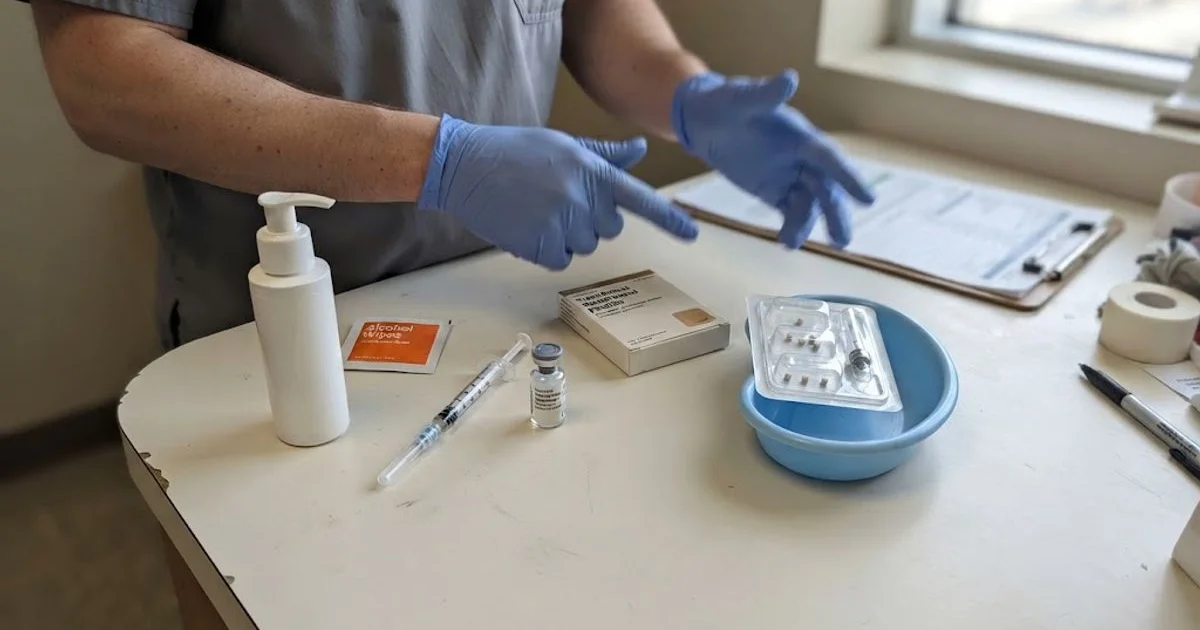
This guide is general information, not medical advice. Which method suits you is a decision for you and a licensed clinician.
Men starting testosterone therapy are often surprised by how many ways there are to take it. Each has trade-offs in schedule, steadiness, monitoring, and cost. This guide lays them out so your consultation can be about your situation instead of a first introduction.
The main options side by side
| Method | Typical schedule | Things to weigh | Cost pattern |
|---|---|---|---|
| Intramuscular injection | Weekly to every two weeks | Needs injections; levels can swing between doses | Usually the lowest monthly cost |
| Subcutaneous injection | Often weekly or more frequent | Smaller needle, similar medication | Similar to intramuscular |
| Gel or cream | Daily | Skin transfer risk; absorption varies | Moderate, refilled monthly |
| Pellets | Every few months | Minor procedure; hard to adjust once placed | Billed per insertion, higher monthly equivalent |
| Oral or enclomiphene-style | Daily | Works differently; often discussed when fertility matters | Varies |
Injections
Testosterone cypionate and testosterone enanthate are the two most common injectable forms. Both are esters in oil, given into muscle or just under the skin on a schedule your clinician sets. They are widely prescribed as generics, which is why they usually cost less. The trade-off is that blood levels rise after a dose and ease before the next, so some clinicians split the dose into smaller, more frequent injections. If you will be self-injecting, ask for a demonstration.
Gels and creams
Daily application to the shoulders or upper arms gives a steadier daily pattern for many people. The concerns are practical: you must avoid skin contact with others until the product dries or is covered, and absorption differs between individuals. Monitoring labs matter here because a clinician cannot assume the dose you apply is the dose you absorb.
Pellets
Pellets are small cylinders placed under the skin, usually in the hip or buttock area, which release testosterone over several months. The appeal is not having to think about it daily. The drawbacks are that dose changes are slow, removal is a minor procedure, and the cost arrives in larger chunks. The directory’s estimator models pellets at a higher monthly equivalent than generic injectables for that reason.

Oral and fertility-sparing approaches
Standard testosterone therapy can lower sperm counts. Some men who want children are offered alternatives such as enclomiphene or clomiphene, which signal the body to make more of its own testosterone, sometimes alongside hCG. These are often prescribed off-label, which means a licensed clinician uses a medication outside its official labeled use. That is legal and common in medicine, but it is a reason to ask how the clinic decides and monitors.
How to choose between them
- Fertility plans. Raise this first, because it can change the whole menu.
- Needle comfort. Some people are fine self-injecting, others are not.
- Routine. Daily gel versus weekly injection versus a few visits a year.
- Budget. Compare a twelve-month total, not the monthly sticker price.
- Flexibility. Methods that are easy to adjust or stop are easier if your clinician wants to change course.
Where to go from here
Practices that focus on hormone care are collected in the hormone therapy clinics hub. If cost is the main question, the estimators on the home page let you vary the method and see the effect, and How We Rank explains how listings are scored.
Whatever you choose, a decent clinic will tell you how you will know it is working, how often you will be re-tested, and how to change course.
Questions people ask
- Which TRT method should I choose?
- There is no single answer. The right method depends on your clinician's assessment, your lab results, your lifestyle, and your goals, including whether you want to preserve fertility.
- Do gels carry any special precautions?
- Topical products can transfer through skin contact to partners or children, so application sites and handwashing instructions matter. Your clinician or pharmacist will explain the specifics.
- Are pellets reversible?
- Pellets release over months and cannot simply be removed on the day you change your mind. That is a real consideration, so discuss it before choosing.
- Are oral options the same as testosterone?
- Not always. Some oral therapies, such as enclomiphene, work by prompting your body to make more of its own testosterone rather than supplying it directly.
Related on this site
- Browse hormone therapy & optimization clinics providers
- What testosterone replacement therapy costs in Florida and what changes the price
- TRT blood work: what gets tested, how often, and why
- What to expect at a first TRT appointment, step by step
- How to vet an online TRT provider: checks and red flags
- All guides →